
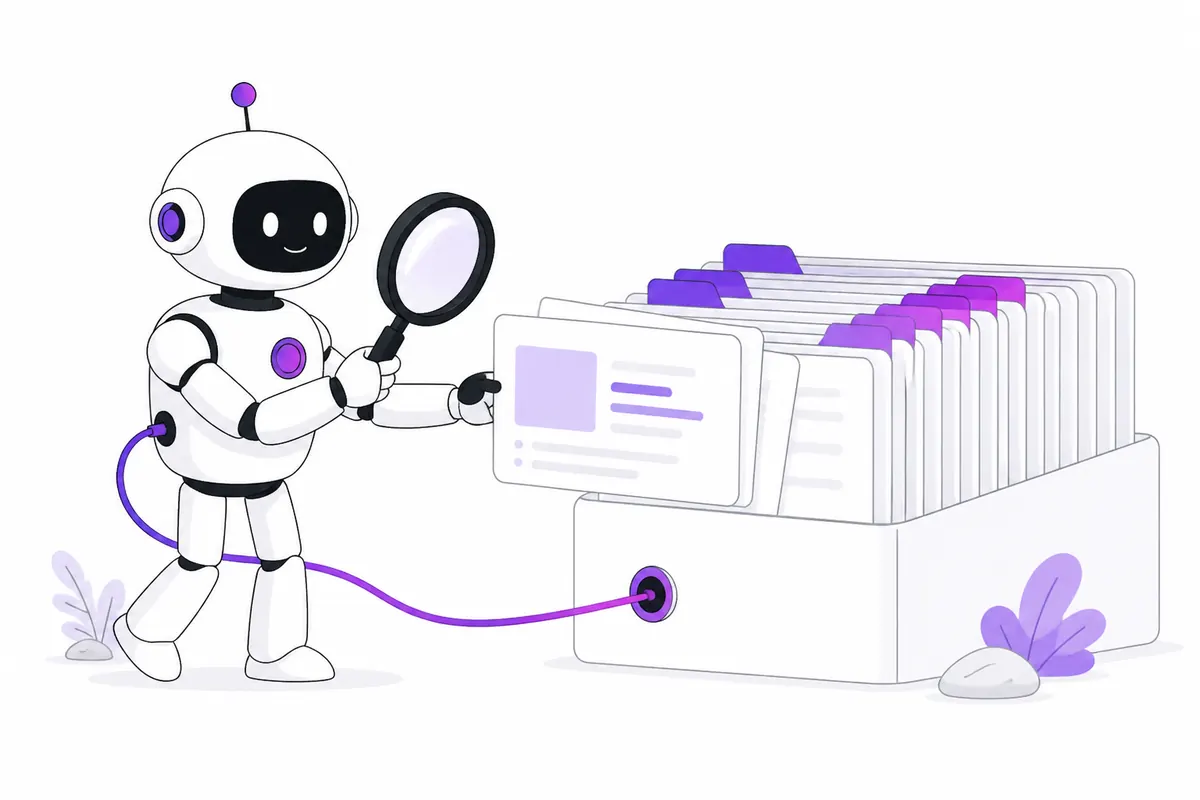
When an AI assistant “searches the web”, it usually doesn’t run its own search engine. It sends the question to a search API, gets back a list of pages, reads a few of them and writes an answer. One of the biggest independent search APIs is the Brave Search API, built on Brave’s own web index.
That makes Brave more important than its share of human searchers suggests: ranking in Brave can decide whether an AI assistant finds your page at all.
Who uses Brave’s index
- Claude (Anthropic). In March 2025, when Claude got web search, TechCrunch reported evidence that it runs on Brave Search: Anthropic had added Brave Search to its list of subprocessors, and Claude’s search tool used a parameter named after Brave. Anthropic hasn’t described the setup in detail, so treat it as strongly reported rather than officially documented.
- Mistral’s Le Chat has been reported to use Brave’s search API as well.
- Many smaller AI apps and agents use the Brave Search API, because it’s one of the few large web indexes outside Google and Microsoft that companies can buy access to. Brave says its index now covers tens of billions of pages.
The list changes over time, and companies don’t always say which search provider they use. The safe takeaway is simple: Brave’s index is one of the main ways AI tools look at the web.
How an AI search usually works
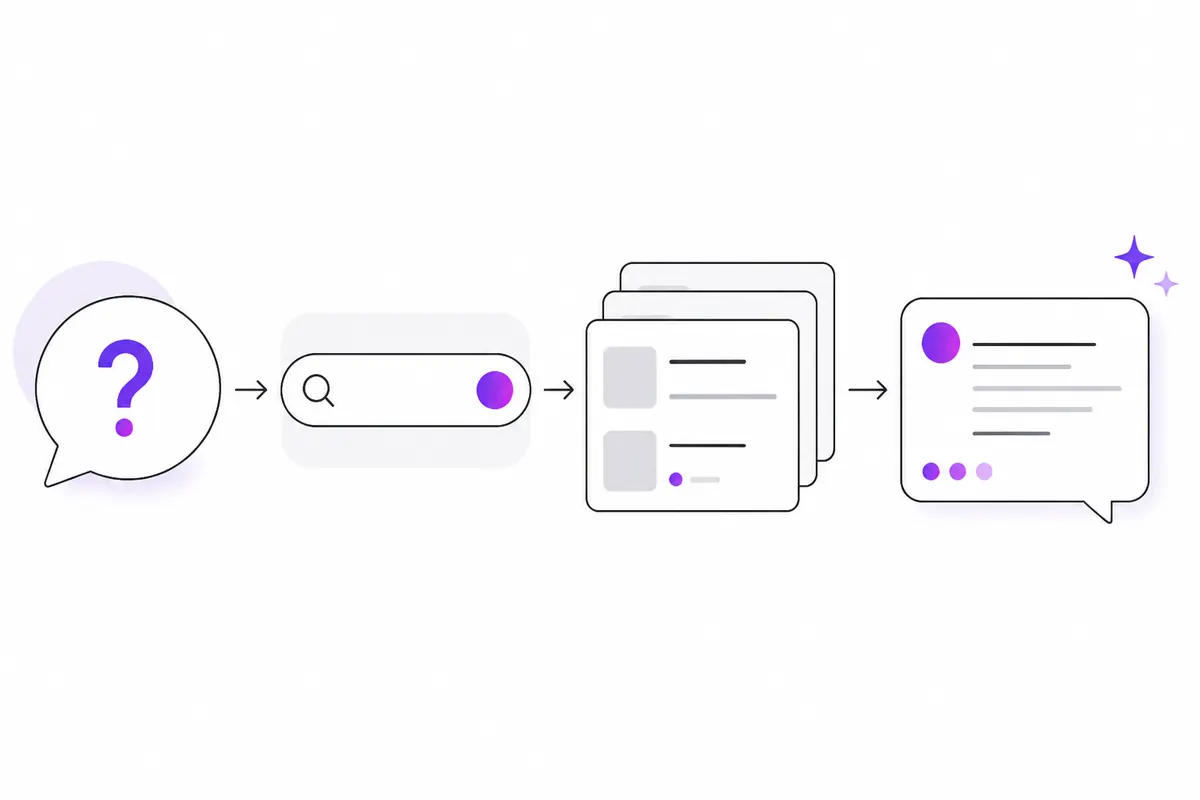
- You ask the assistant a question.
- The assistant sends a search to a provider such as Brave.
- It gets back the top results: titles, links and short snippets.
- It opens some of those pages to read them. In your logs, this shows up as the assistant’s own fetcher, such as
Claude-User. - It writes an answer and cites the pages it used.
If your page isn’t in step 3, it can’t be cited in step 5, however good it is.
What to do
- Get into Brave’s index. Brave follows your Googlebot rules and has no webmaster tool; see Brave Search SEO and the Brave crawler.
- Don’t block the assistants’ fetchers. If
Claude-UserorChatGPT-Usercan’t open your page, the assistant can’t read or quote it. Our guide on allowing or blocking AI bots shows how to keep them separate from training crawlers. - Write quotable pages. Answer first, one idea per paragraph, real facts. See writing content AI assistants quote.
- Keep titles and snippets clear. The assistant chooses which pages to open from the search results, much like a person scanning a results page.
How to see it working
When an assistant opens your page for a user, you’ll see a short visit from its fetcher, often within seconds of someone asking a question. When a person clicks the citation, you get a visitor from AI, with a referrer such as claude.ai.
OZMAICO’s free plan shows both: the AI fetchers that visit (checked against their official IP lists, so fake ones don’t count), and the people who arrive from ChatGPT, Claude, Perplexity and other assistants. You can check any bot on its own, too.
Not a replacement for Google and Bing
Other assistants use other indexes. ChatGPT search leans on its own crawler and Bing; Google’s AI features use Google’s index. Brave is one important piece, not the whole picture. A site that’s healthy for Google and Bing, and also present in Brave, is covered for nearly every AI assistant people use today.
Check your own website
See which AI bots really visit your site — real or fake, page by page — and how many people AI assistants send you. Free.