
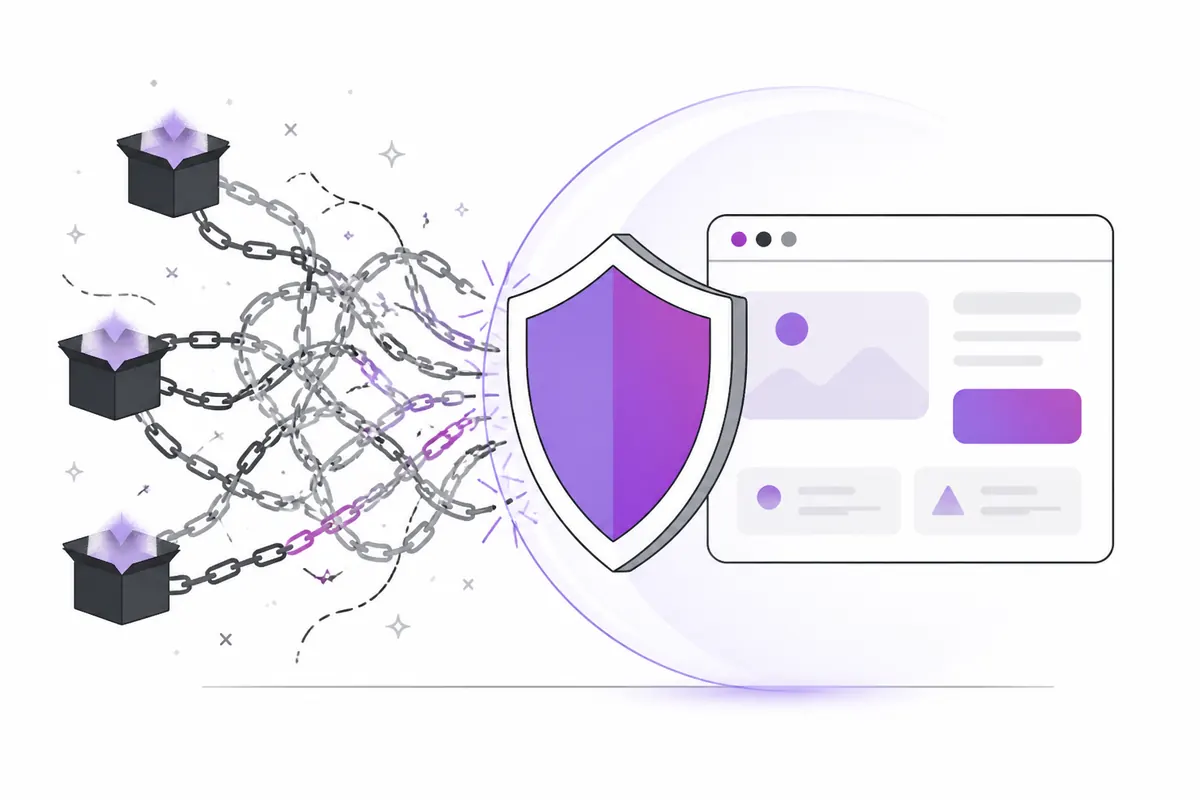
Buying backlinks to influence rankings breaks Google’s spam policies on link schemes, and the risks range from links that simply stop counting to a manual action against your site. That’s why OZMAICO never builds or sells backlinks. The safer path is slower but lasts: make things worth citing, and help people find them.
What counts as a link scheme
Google’s spam policies describe link schemes as links meant to manipulate rankings. Common examples include:
- Paying for links that pass ranking value, whether with money, goods, services or free products.
- Excessive link swaps (“link to me and I’ll link to you”) done purely for ranking.
- Large-scale guest posting with keyword-stuffed anchor text.
- Private blog networks (PBNs): groups of sites set up to link to each other or to clients.
- Automated link building, such as programs that post links in comments or forums.
- Required links in widgets or templates, such as a hidden keyword link in a free theme’s footer.
The key word is manipulate. A paid link isn’t wrong in itself; advertising is normal. It becomes a problem when it’s disguised as an editorial link to pass ranking value.
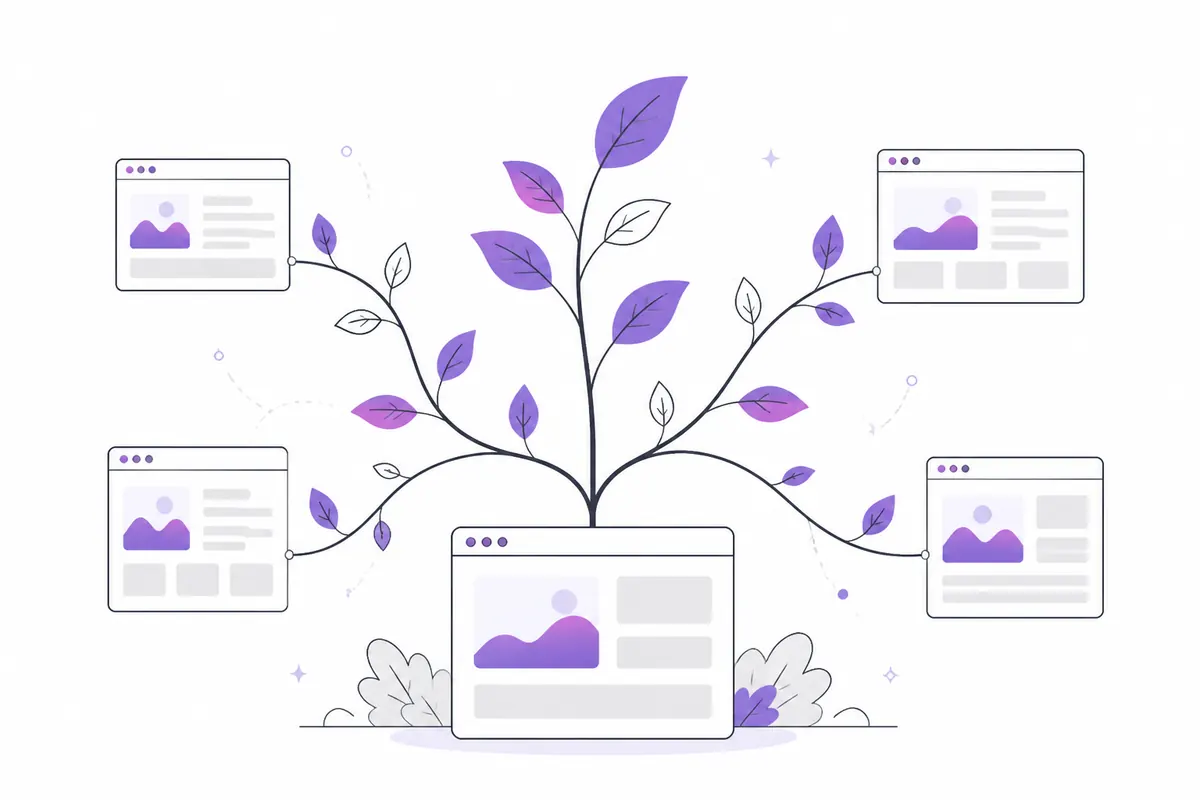
The risks of buying links
Links that quietly stop counting
Google has said its systems, including its spam-fighting system SpamBrain, can detect and neutralise unnatural links. In that case nothing visibly bad happens: you simply paid for links that do nothing. You won’t usually be told.
Manual actions
If a human reviewer at Google finds a pattern of unnatural links, your site can receive a manual action for “unnatural links to your site”. It appears in Search Console under Security & Manual Actions. Affected pages, or the whole site, can drop sharply. Recovering means removing or disavowing the links and filing a reconsideration request, which can take weeks.
Being tied to spam networks
Link sellers often place links on the same few sites again and again. When those sites are spotted, every site they link to is connected to them. You also lose control: a seller may put your link next to gambling, pharmacy or adult spam, and your brand is now associated with that neighbourhood.
Wasted money
Even when bought links do nothing harmful, they rarely do much good. The money would usually have gone further on content or tools people actually want.
How to label paid and untrusted links
If you sponsor something, run ads or pay for a placement, that’s fine. Just mark the link so it doesn’t pass ranking value:
<a href="https://example.com" rel="sponsored">Our partner</a>
<a href="https://example.com" rel="ugc">Link in a user comment</a>
<a href="https://example.com" rel="nofollow">Link we don’t vouch for</a>
Use rel="sponsored" for paid or affiliate links, rel="ugc" for user content like comments and forum posts, and rel="nofollow" for anything else you don’t want to endorse. If you’re on the other side, and someone offers to pay for a link on your site, the same rule applies.
Safe ways to earn links
These all share one idea: give people a reason to link.
Build something useful
Free tools, calculators, checkers and reference lists attract links because people need them and want to send others to them. A good example is a page that answers one practical question better than anything else, such as the free bot checker or the AI bot directory.
Publish original data or research
If you have data nobody else has, such as anonymised trends from your own product, a survey you ran, or a careful test, publish it with your method. Journalists and bloggers need sources. Be honest about sample sizes and limits, because inflated claims get found out.
Be the source people cite
Clear, accurate explainers get linked when others write about the topic. Keep them up to date, show the date you last checked them, and correct mistakes promptly.
Digital PR
Tell journalists and newsletter writers about things that are genuinely newsworthy: a new dataset, a free tool, an expert view on a current story. Pitch individuals who cover your topic, not a mass list. Links from coverage are earned, not bought.
Reclaim broken links to your site
Over time, other sites link to pages you’ve moved or deleted. Those links now land on 404 errors. Find them and either:
- Add a 301 redirect from the old URL to the closest current page, or
- Contact the linking site and ask them to update the URL.
This is one of the quickest wins there is, because the links already exist. Fixing your own broken internal links helps too; see the internal linking guide.
Mention, then ask
When a site mentions your brand or tool without linking, a short, polite note asking for a link often works. Don’t pester; one message is enough.
What about the disavow tool?
Google’s disavow tool lets you ask Google to ignore specific links. Google says most sites don’t need it, because its systems already ignore most spammy links. It’s mainly for sites that bought links in the past or have a manual action. Using it carelessly can disavow good links, so be sparing.
In short
- Paying for links that pass ranking value breaks Google’s spam policies.
- The risks: links that count for nothing, manual actions, and being tied to spam networks.
- Mark paid links
rel="sponsored", user contentrel="ugc", and anything untrustedrel="nofollow". - Earn links with useful tools, original data, accurate explainers and honest digital PR.
- Redirect old URLs that still have links pointing to them.
- Want the bigger picture? Start with AI SEO basics.
Check your own website
See which AI bots really visit your site — real or fake, page by page — and how many people AI assistants send you. Free.